Back
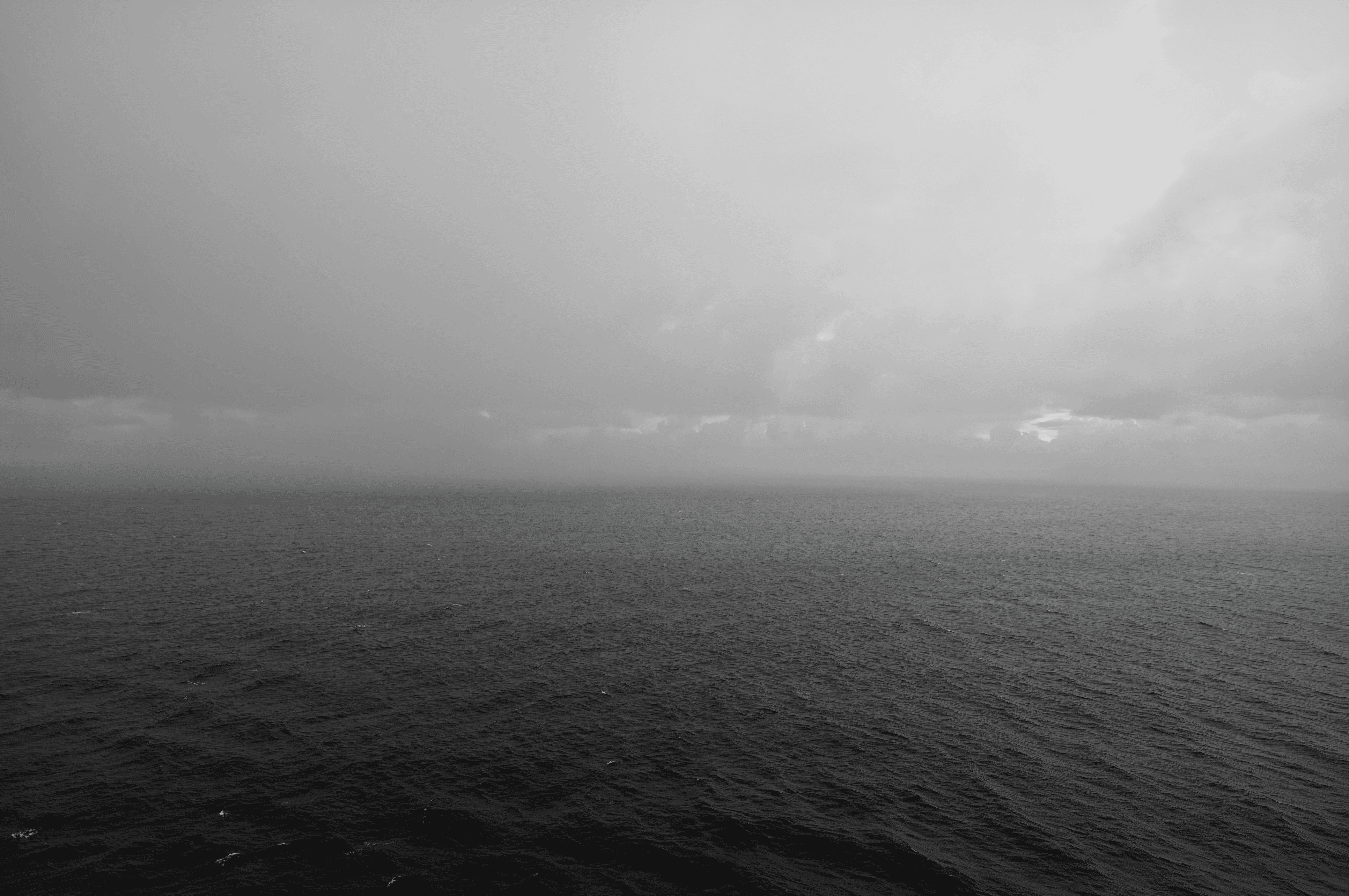
Below the Surface. (from the Vertigo series),Photography, ink injection, 70 × 100 cm, 2026
Below the Surface
(from the Vertigo series),Photography, ink injection, 70 × 100 cm, 2026
Below the Surface. (from the Vertigo series),Photography, ink injection, 70 × 100 cm, 2026
"…The image does not function as a descriptive seascape, instead, it operates as a space in which vision becomes destabilized and dispersed, leaving the gaze without a clear object…"
"…The image does not function as a descriptive seascape, instead, it operates as a space in which vision becomes destabilized and dispersed, leaving the gaze without a clear object…"
"…The image does not function as a descriptive seascape, instead, it operates as a space in which vision becomes destabilized and dispersed, leaving the gaze without a clear object…"
"…The image does not function as a descriptive seascape, instead, it operates as a space in which vision becomes destabilized and dispersed, leaving the gaze without a clear object…"
The photograph presents a constricted and abstracted marine space, in which the horizon line is almost erased into a uniform mass of water and sky. The landscape is devoid of any human point of reference and offers neither event nor direction, but rather a sustained condition of seeing. The image does not function as a descriptive seascape; instead, it operates as a space in which vision becomes destabilized and dispersed, leaving the gaze without a clear object. The sea appears as a surface of uncertainty, where boundaries, depth, and time lose their stability, and the photograph becomes an extended confrontation with a space that resists full grasp or complete mapping.
Systems of mapping, measurement, and technological vision reach this space only partially, skimming the surface and failing to penetrate its depths. It is a space that cannot be fully mapped, in which both human vision and technological vision remain limited.
The open sea activates my internal navigation systems and places the body in a state of alertness. Here, the gaze precedes knowledge, transmitting information to the body that has not yet found verbal form. It is precisely in these zones that mechanisms of perception and survival sharpen, and the presence of ancient, familiar-yet-foreign dangers rises to the surface. Standing before the sea, I examine my position in relation to the limits of the body and the gaze, and to the inability to control or fully know.
In this self-portrait I mark my face with the birthmark of a relative. It is an act of bearing of memory, of difference, and of pain. By taking this mark onto my own body I perform a gesture of transference, almost like a living print, that blurs the boundaries between the personal and the familial, between my body and the body of another.
The title Family Imprint reflects this act: taking the trace of another onto myself, carrying a physical and emotional imprint as if it were my own. The gaze is always drawn to what deviates from the norm, yet at the same time resists staring directly. I am not disguising myself but borrowing the sign, making it visible.
Here the body becomes a surface of bearing, a living canvas where the memory of the other becomes presence. A mark born on another body is inscribed onto mine as an act of closeness and resonance, both homage and disruption. The work raises questions of identity: what counts as a body worthy of being seen, who is permitted to carry a mark on the face, and what does it mean for one’s own face to become the face of someone else.